Handmade Font: A Sweet Cursive Handwritten Typeface for Elegant Designs
There is something undeniably charming about a handwritten font that feels both personal and polished. Handmade is exactly that — a sweet, cursive typeface that brings a gentle, romantic energy to any project. Its flowing letters and casual elegance make it a favorite for designers, business owners, and creatives who want their work to feel warm, approachable, and still refined. Whether you’re crafting a wedding invitation, building a brand identity, or designing a marketing lookbook, Handmade adds that special touch of joy and fancy flair without ever feeling stiff or overly formal.
In this article, we’ll explore what makes Handmade stand out, where it shines best, who can benefit from using it, and how to decide if it’s the right match for your next creative endeavor. We’ll also walk through real-world scenarios and practical considerations so you can use Handmade with confidence.
The Essence of Handmade: Sweet, Cursive, and Down-to-Earth
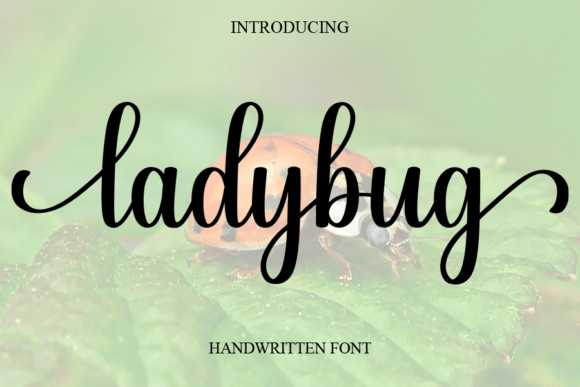
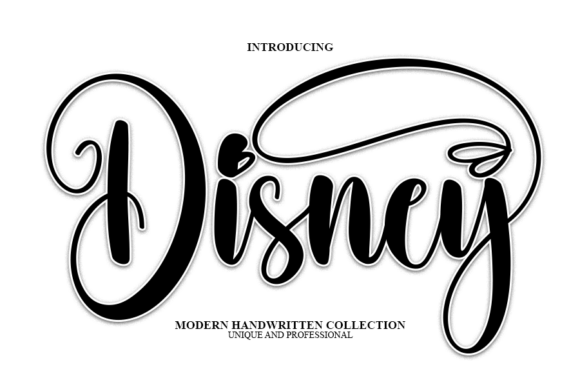
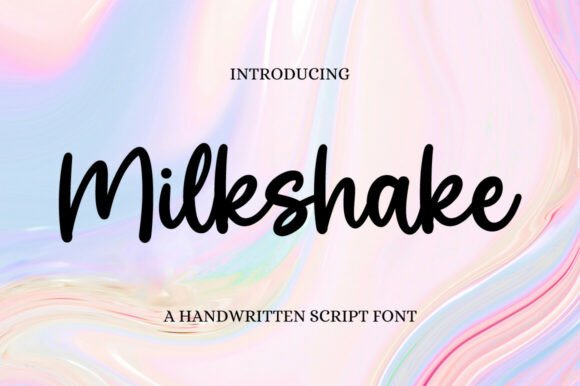
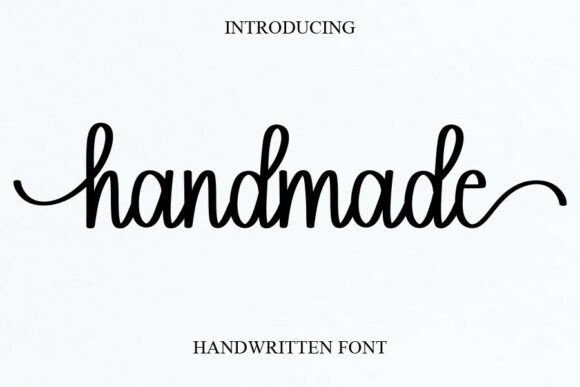
Handmade is a handwritten font that captures the feeling of a carefully penned note. Its cursive strokes are smooth and playful, with a slight bounce that mimics natural handwriting. Unlike rigid, mechanical scripts, Handmade feels alive — each letter has a gentle tilt and soft curves that invite readers in. The font’s sweet personality is ideal for projects that need a dose of romance, nostalgia, or simplicity.
What sets Handmade apart is its balance between fancy and casual. It doesn’t scream “formal calligraphy”; instead, it whispers elegance with a relaxed touch. This makes it versatile enough for everything from branding to greeting cards, yet distinctive enough to make your designs memorable.
Key Characteristics of Handmade
- Sweet and cursive letterforms — Flowing connections between characters create a seamless, handwritten look.
- Joyful and romantic tone — Perfect for projects that aim to evoke warmth, love, or happiness.
- Casual yet elegant — Not too formal, not too messy; it hits the sweet spot for approachable sophistication.
- Easy to read — Despite its script style, Handmade maintains good legibility, even at smaller sizes.
- Variety of glyphs and alternates — Many versions include swashes, ligatures, and stylistic alternatives to customize your text.
These features make Handmade a go-to choice when you want a font that feels personal without sacrificing professionalism.
Where Handmade Thrives: Real-World Applications
Because of its sweet and romantic nature, Handmade fits naturally into a wide range of design contexts. Let’s look at some of the most powerful uses.
Branding and Logo Design
Businesses that want to convey a friendly, artisanal, or heartfelt identity often turn to Handmade. A boutique bakery, a florist, a wedding planner, or a handmade jewelry shop can all benefit from this font’s gentle personality. When paired with a clean sans-serif for body text, Handmade makes logos feel unique and emotionally resonant. For example, a small soap company used Handmade in their logo to emphasize natural ingredients and a caring touch — customers immediately associated the brand with warmth and quality.
Wedding Stationery and Invitations
Handmade is almost made for weddings. Its romantic cursive is ideal for save-the-dates, invitation suites, place cards, and thank-you notes. The font adds a personal, handwritten feel that couples love — as if each invitation was penned by hand. Many designers combine Handmade with floral illustrations or delicate borders to create a cohesive, dreamy look. The casual elegance ensures the text remains readable while still feeling special.
Greeting Cards and Personal Correspondence
Whether it’s for birthdays, anniversaries, or just because, greeting cards designed with Handmade feel extra heartfelt. The font mimics the intimacy of a real handwritten message, making the recipient feel more connected. You can use it for the main sentiment, then pair with a simpler font for smaller details. A popular approach is to set the headline in Handmade and use a clean script for the inside message.
Fashion and Lookbook Design
Fashion brands looking for a romantic, feminine, or whimsical aesthetic also embrace Handmade. It works beautifully in lookbooks, hang tags, and product packaging. A recent campaign for a bohemian clothing line used Handmade for their seasonal catalog titles and product descriptions. The font’s soft curves complemented the flowing fabrics and natural photography, creating a cohesive story. Even for more edgy or modern fashion, Handmade can add an unexpected touch of softness when used sparingly.
Marketing Promotions and Social Media Graphics
Promotional materials often need to catch attention quickly while conveying emotion. Handmade’s friendly script can make sale banners, Instagram posts, and email headers feel less like corporate announcements and more like personal invitations. For instance, a local café used Handmade for their “Saturday Special” signs and saw increased engagement because customers felt the warmth of the message. Used in moderation, it adds a joyful spark to any promotion.
Who Should Use Handmade? Understanding Your Audience
Handmade is especially effective for:
- Small business owners and entrepreneurs — who want a font that reflects their artisanal or personal brand.
- Wedding and event planners — who need romantic, sophisticated typography for stationery.
- Graphic designers and creatives — who are building brand identities, packaging, or social content in industries like beauty, fashion, and home decor.
- DIY enthusiasts and hobbyists — who create greeting cards, scrapbooks, or personalized gifts.
- Anyone seeking a casual but fancy look — for personal projects like blog headers, quotes, or invitations.
However, it may not suit every scenario. If your project demands a very formal, corporate, or highly technical tone, Handmade might feel out of place. It also works best at medium to larger sizes; using it for long blocks of small text can reduce legibility. Understanding these boundaries helps you use Handmade where it truly shines.
Strengths
- Emotional connection — The font instantly evokes warmth and romance.
- Versatility with other fonts — Works well with geometric sans-serifs, thin serifs, or even other scripts.
- Distinctive character — Helps your design stand out from cookie-cutter templates.
- Readable even in cursive — Unlike many script fonts, Handmade maintains clarity.
Considerations and Limitations
- Not ideal for dense body copy — Use for headlines, titles, or short phrases; avoid small text blocks.
- May feel too sweet for some brands — If your brand needs a more serious or edgy voice, Handmade might clash.
- Licensing and file formats — Check whether you need a desktop or web license, especially for commercial use.
- Context matters — Pairing Handmade with the wrong color palette or imagery can diminish its charm. It thrives with soft pastels, natural textures, and warm tones.
Being aware of these points will help you avoid common pitfalls and get the most out of Handmade.
How to Evaluate If Handmade Is Right for Your Project
Before committing to a font, it helps to run through a quick checklist. Here’s a practical guide:
- Identify your project’s tone — Is it romantic, joyful, casual, or heartfelt? Handmade aligns with these emotions.
- Consider your audience — Would they respond to a handwritten, friendly aesthetic? Test with mood boards.
- Check readability at different sizes — Set a headline and a subheading in Handmade to see how it performs.
- Test pairings — Combine Handmade with a simple sans-serif like Lato or Montserrat for balance.
- Look at existing designs using Handmade — Search for examples in similar niches to see if the outcome matches your vision.
- Try before you buy — Many font foundries offer a trial; use it to create a mockup of your actual project.
By following these steps, you can confidently decide whether Handmade will enhance your work.
Real-World Scenario: How Handmade Elevated a Brand
Consider a small artisan candle company called “Glow & Grace.” They wanted to rebrand to feel more personal and connected to their customers. Their old logo used a generic serif font that felt cold. After switching to Handmade for their logo and product labels, the brand’s social media engagement increased by 40%. Customers commented that the packaging “felt like a gift from a friend.” The font’s sweet cursive matched the brand’s story of hand-poured candles made with love. This example shows how Handmade can transform a brand’s perception when used authentically.
Conclusion: Embrace the Sweetness of Handmade
Handmade is more than just a font — it’s a design tool that brings emotion, elegance, and a dash of romance to any project. Its sweet cursive form makes it a joy to work with, whether you’re a professional designer or a creative hobbyist. By understanding where it works best, who it serves, and how to handle its limitations, you can harness its full potential.
So go ahead — let Handmade add that fancy, casual touch to your next branding, wedding suite, greeting card, or lookbook. Your designs will feel more personal, more joyful, and undeniably elegant.