Ghost Doodle: Whimsical Typography for Design
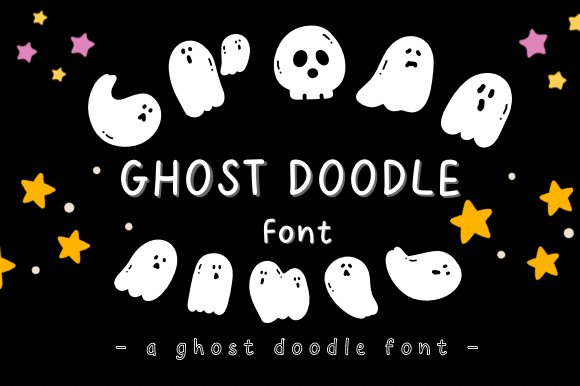
In a world of predictable fonts, true visual design impact often comes from embracing personality. For graphic designers seeking that unique edge, Ghost Doodle offers exactly that—a hand-drawn typeface where each letterform is accompanied by playful, ghostly sketches. It moves beyond simple text to become a full creative asset, immediately establishing a whimsical yet spooky atmosphere. This font matters in modern graphic design because it directly answers the growing demand for authenticity and bespoke illustration within brand identity and visual communication. Instead of relying on generic clip art or stock vectors, adding a font with built-in character streamlines the design workflow while delivering a premium, custom look.
Typography is the foundation of visual hierarchy, but the right font also conveys emotion. In seasonal campaigns, Halloween promotions, or for brands that embrace quirky modern aesthetics, standard serifs or sans-serifs often feel sterile. Ghost Doodle fills a specific niche in the typography landscape—it provides an instant illustration solution. Every letter feels intentionally crafted, adding a layer of storytelling that static fonts lack. For marketers and designers working on digital marketing, social media graphics, or packaging design, this typeface reduces the need for excessive decorative elements. The font itself is the decoration, allowing for cleaner compositions that still feel rich in detail.
Practical Applications in Branding and Design
Integrating a distinct typeface into your brand identity arsenal requires strategic thinking. Ghost Doodle excels in scenarios where playfulness meets professional presentation. Its adorable, hand-sketched aesthetic makes it particularly effective for logo design in niche markets—think craft breweries, children's book authors, or boutique event planners. It also shines in print design, where its tactile nature feels right at home on flyers, candy wrappers, and limited-edition merchandise.
- Brand Identity & Logo Design: Perfect for creating memorable marks for seasonal pop-ups, bakeries, or creative agencies that want to highlight a fun, approachable side.
- Social Media Content: Ideal for Instagram stories, Facebook event covers, and email headers where you need to capture attention quickly with a unique visual style.
- Packaging & Merchandise: The hand-drawn quality translates beautifully to stickers, t-shirts, and gift tags, reinforcing a tactile and handmade brand ethos.
- Web & UI Design: Works wonderfully as a display font for hero sections, 404 pages, or event landing pages, adding a human touch to digital interfaces.
Establishing Visual Hierarchy and Consistency
A common challenge designers face when using highly illustrative fonts is maintaining readability and scalability. Because Ghost Doodle features intricate details within the letterforms, it is best utilized as a display typeface. It commands attention. In editorial design, it sets the tone for headlines. In web design, it establishes the visual stage before clean sans-serif body text takes over the heavy lifting. To achieve a professional presentation, pair it with a neutral, highly legible font. This contrast creates a strong visual hierarchy, guiding the user’s eye exactly where it needs to go.
When evaluating creative assets for a project, consistency is key. The color palette you choose around this typeface can drastically alter its mood. While deep purples, oranges, and blacks feel classically festive, using a monochromatic scheme or pastel variations can modernize the font for year-round use. This flexibility allows Ghost Doodle to adapt from Halloween graphics to general whimsical branding without feeling restricted. Designers should test scalability—using it at large sizes preserves the integrity of the ghostly doodles, while smaller sizes might require more space around the letters to keep the design breathable.
Enhancing User Engagement Through Playful Typography
User experience (UX) and typography are deeply intertwined. In digital marketing, the goal is often to stop the user mid-scroll. A standard bold headline might do the job, but a headline set in Ghost Doodle also offers an emotional hook. It invites the viewer to look closer. This aligns perfectly with current design trends that favor illustration and hand-drawn elements over cold, digital precision. By using a font that doubles as a graphic element, you naturally improve the visual interest of the page without bloating the design workflow with additional illustrations.
For packaging design, this typeface solves the problem of creating shelf appeal. In a crowded market, products that look handmade or artisanal often win the consumer’s trust. Ghost Doodle gives packaging a bespoke feel, suggesting that care and creativity went into the product. Similarly, in advertising campaigns, using such a distinct visual asset ensures brand recall. The consistent use of the ghostly motifs across a series of ads strengthens brand identity and makes the campaign instantly recognizable.
Best Practices for Selecting Display Fonts
When adding a specialized typeface like Ghost Doodle to your creative toolkit, consider the audience expectations and design goals. It works best in contexts that celebrate creativity, holidays, or casual communication. Avoid using it for formal corporate reports or dense body copy, where it would compromise readability. Instead, reserve it for moments where you want to inject personality—the title of a digital invitation, the centerpiece of a poster, or the hero text of a microsite.
Ultimately, the best design choices are those that serve both the message and the audience. By incorporating distinctive creative assets like Ghost Doodle, designers can move beyond basic templates and create memorable visual experiences. Whether for a poster, a promotional landing page, or a unique logo, thoughtful typography remains one of the most powerful tools in a designer's workflow. It proves that functional design can also be wonderfully fun, helping brands connect with their audience through visual storytelling and elevated modern aesthetics.